The Global Ascent of Mobile Esports: Surpassing Legacy Desktop Metrics in Emerging Regions
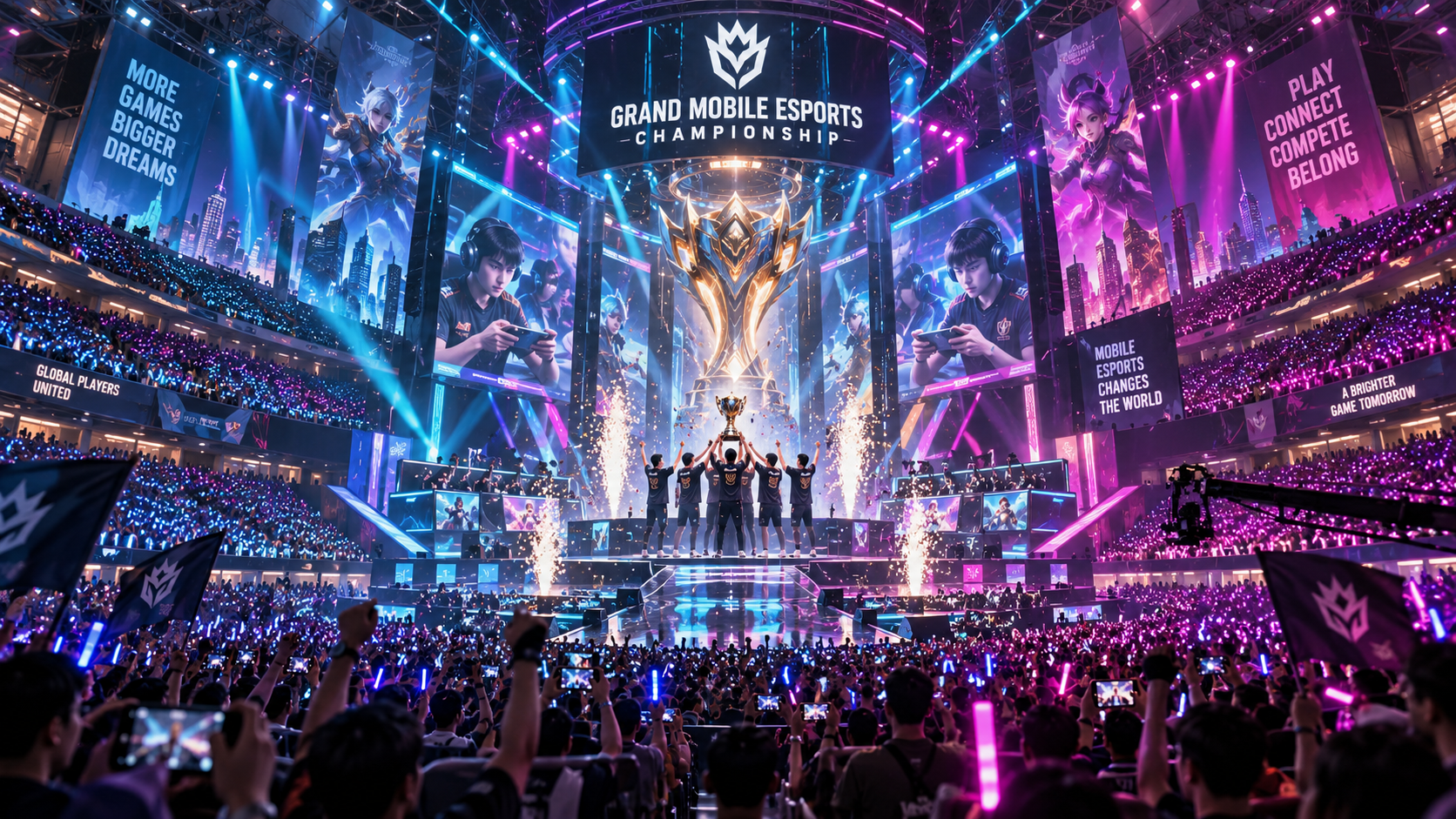
Once dismissed as a casual novelty, competitive mobile gaming has matured into a global commercial colossus, consistently shattering peak concurrent viewership records across Southeast Asia, Latin America, and India.
Shattering Viewership Records: The Handheld Spectacle Phenomenon
During the climactic grand finals of the recent World Mobile Tactical Championship, simultaneous live broadcast streams surged past a staggering 6.8 million peak concurrent viewers (PCU), excluding Chinese domestic platforms. This historic milestone eclipsed the live viewership figures of numerous long-established desktop esports leagues, forcing traditional sports broadcasting networks to acknowledge mobile esports as a premier cultural juggernaut.
In countries such as Indonesia, the Philippines, Brazil, and Vietnam, where smartphone adoption vastly outpaces personal computer ownership, mobile esports is not an alternative form of entertainment—it is the definitive sports culture of a generation. Metropolitan indoor stadiums packed with tens of thousands of ecstatic ticket-holders roar with an electric energy rivaling world cup football matches, testifying to the profound communal power of handheld competitive gaming.
Strategic Pivot of International Legacy Esports Organizations
For years, premier Western esports franchises viewed mobile competitive titles with cautious detachment, hesitating to commit resources to games perceived as fleeting trends. However, confronted with stagnant desktop viewership demographics and shrinking traditional venture sponsorships, legacy global brands—including Team Liquid, Fnatic, and G2 Esports—have executed aggressive strategic pivots.
Top organizations are acquiring dominant regional mobile rosters and building world-class dedicated training facilities throughout Southeast Asia and the Middle East. Concurrently, non-endemic commercial sponsors—including automotive giants Mercedes-Benz, luxury timepiece manufacturers, and international financial institutions—are pouring tens of millions of dollars into mobile tournament sponsorships, eager to engage with the coveted Gen Z demographic.
Standardized Hardware Integrity and Anti-Cheat Governance
Legitimacy in professional sports hinges upon uncompromising competitive integrity. To prevent unfair hardware variance, custom capacitive touch triggers, or unauthorized software overlays from corrupting championship matches, international governing leagues enforce strict device standardization protocols.
Every professional competitor competes on identical, tournament-sealed reference devices running proprietary locked-down security firmware. Dedicated optical touch recording rigs and sub-millisecond network telemetry auditing monitor every input, guaranteeing that championship trophies are awarded strictly on the merits of supreme reflexes, tactical intellect, and flawless teamwork.
Grassroots Feeder Leagues and Democratic Talent Discovery
Unlike traditional motorsports or high-end desktop gaming where elite equipment costs thousands of dollars, mobile esports enjoys near-frictionless democratic accessibility. Any teenager with an affordable smartphone and an internet connection can participate in open in-game qualification ladders.
This vast, democratic talent pool fuels intense regional rivalries and continually surfaces sensational teenage phenoms from modest backgrounds, ensuring that competitive metas remain vibrantly dynamic and unpredictable year after year.
Bespoke Mobile Esports Arenas and Broadcast Technology Innovations
The physical presentation of mobile esports tournaments has evolved into a multi-million-dollar spectacle. Contemporary tournament stages feature circular holographic projection rings that mirror the players' smartphone screens in real-time, accompanied by automated reactive stage lighting synchronized with in-game objective captures.
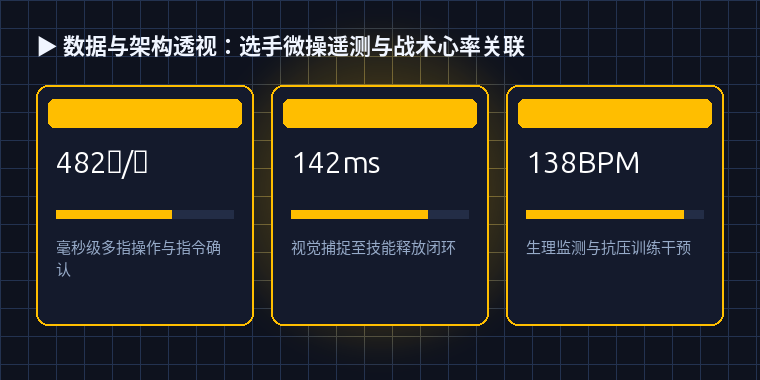
Broadcasters utilize specialized observer clients that track multi-touch finger inputs, displaying translucent capacitive tap heatmaps overlaid upon the official broadcast feed. Spectators can witness the exact microsecond finger flick that decided a game-winning team fight, bringing unprecedented technical transparency and athletic appreciation to competitive handheld gaming.
Furthermore, collegiate and amateur tournament networks have emerged across secondary and tertiary education institutions worldwide. Supported by dedicated campus gaming clubs, these grassroots circuits provide structured pathways for aspiring amateur competitors, ensuring a vibrant generational succession of tier-one professional talent for global championship stages.
Mobile esports has outgrown its underdog status to become the dominant global competitive medium, fueled by passionate youth culture and institutional commercial investment.